The Trademark Application Process, Step by Step
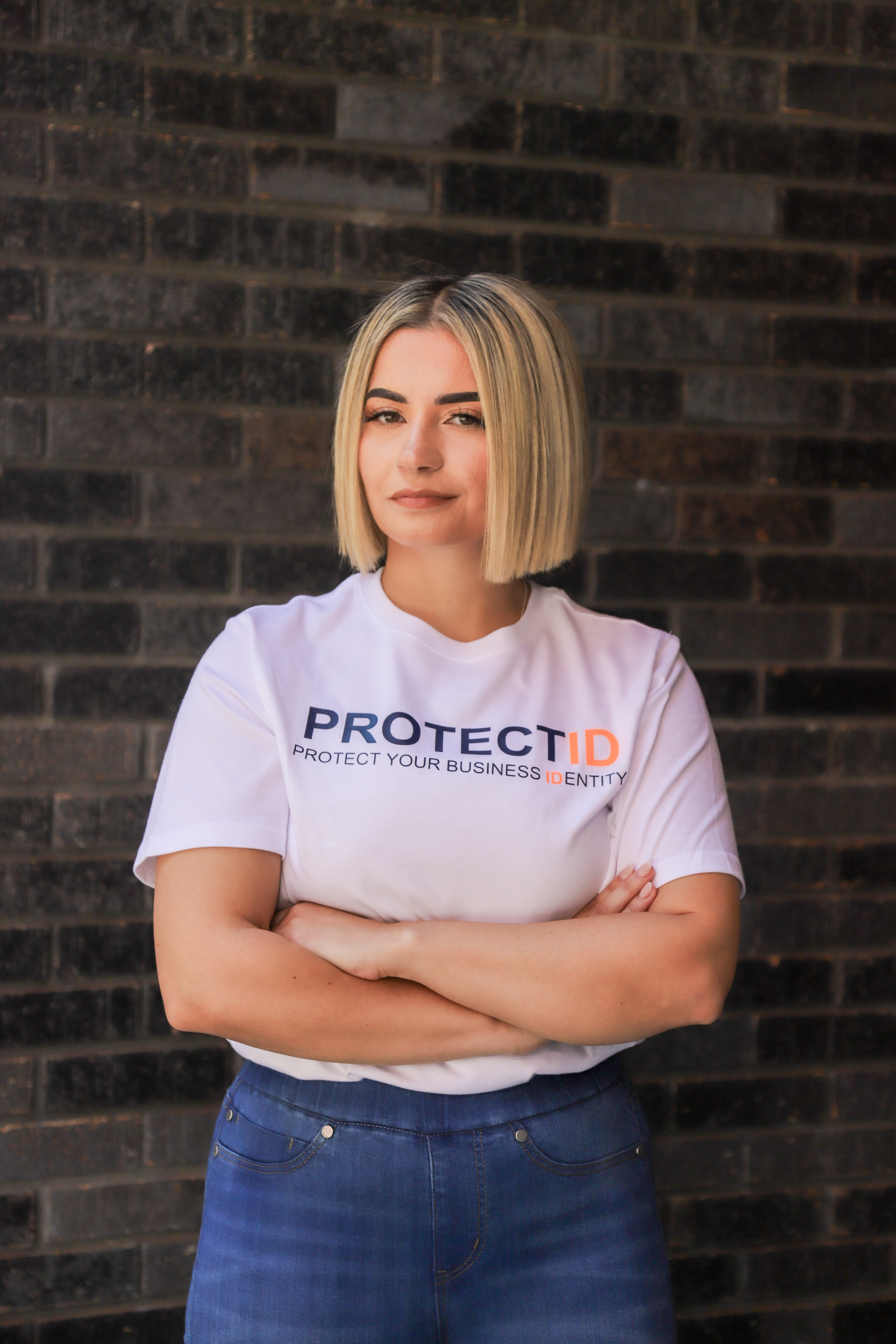
By Victoria Walker, Esq.
Trademark registration is frequently described in vague terms: file an application, wait for approval, get your certificate. What that description omits is the substance of the process, the legal standards that govern each stage, the decisions that need to be made along the way, and the places where applications most commonly run into trouble.
This guide walks through the federal trademark registration process in the level of detail a scaling founder deserves. Not a simplified overview, a real explanation of what happens at each stage and what it means for your brand.
Step One: The Clearance Search
The process begins before any application is filed. A comprehensive trademark clearance search, covering the federal register, all 50 state trademark registers, and common law uses, is the essential first step. Its purpose is to identify any existing marks that could conflict with yours, either by blocking your application or by exposing you to infringement claims.
I have written about the clearance search in detail in a separate post. The short version: skipping this step is one of the most expensive decisions a founder can make. An application filed without clearance may fail during examination, costing you the filing fee and months of waiting. Worse, you may build your brand around a name that belongs to someone else.
Once the clearance search confirms your mark is available, or identifies conflicts that can be navigated with modifications, you are ready to file.
Step Two: Identifying the Filing Basis
Before drafting your application, you need to determine your filing basis, the legal ground on which you are claiming rights in the mark. There are two primary filing bases for U.S. applicants.
Section 1(a): Use in Commerce
If you are already using your mark in commerce, meaning you are actually selling goods or providing services under that mark to customers or clients, you file under Section 1(a), the use-based application. You will need to provide a specimen showing the mark as it is actually used in commerce: a product label, a screenshot of your website, a sample of your marketing materials, or similar evidence of use.
Use in commerce has a specific legal meaning: the mark must be used in the ordinary course of trade, and for service marks, the mark must be used in the sale or advertising of services and those services must be rendered. Personal use or internal use does not qualify.
Section 1(b): Intent to Use
If you have not yet begun using the mark but have a bona fide intention to do so in the reasonably near future, meaning a genuine, good-faith intent, not a speculative or contingent plan, you may file under Section 1(b), the intent-to-use application. The intent-to-use application reserves your priority date while you prepare to launch.
Once you begin using the mark in commerce, you file a Statement of Use (or, if you need more time, an Extension of Time to File a Statement of Use) to convert the application to use-based status. Intent-to-use applications are particularly valuable for founders who are preparing to launch a new brand, product, or service and want to establish their priority before the public launch.
Key benefit of an intent-to-use application: Your priority date, the date from which your trademark rights are measured, is established on the day you file your application. For use-based applications this is the filing date. For intent-to-use applications it can be the filing date, provided the mark is ultimately used in commerce.
Step Three: Preparing the Application
A federal trademark application requires several key elements, and the accuracy and completeness of each element affects the strength of the resulting registration.
The Mark Itself
You must identify the mark you are seeking to register. This may be a standard character mark, a word or phrase without any particular stylization or design elements, or a stylized mark that includes specific fonts, colors, or design elements. A standard character mark provides broader protection because it covers the mark as used in any font, style, or color. A stylized or design mark protects only the specific visual presentation depicted in the application.
Many brand owners file both a standard character mark (for the word or words) and a design mark (for the logo). This provides the most comprehensive protection.
The Identification of Goods and Services
This is the most consequential part of the application and the one most frequently gotten wrong. You must provide a specific, accurate description of the goods or services with which the mark is used or intended to be used. The description must be sufficiently clear and definite to inform the public of what is protected.
The USPTO maintains an approved database of goods and services identifications, the Trademark ID Manual, which contains thousands of pre-approved descriptions. Using pre-approved identifications reduces the likelihood of receiving an office action objecting to the description. Custom descriptions are sometimes necessary but must be drafted with precision.
The Class or Classes
You must identify the appropriate class or classes for your goods and services. Each class requires a separate filing fee, currently starting at $350 per class for a base application filed through the USPTO's Trademark Center.
The Specimen
For use-based applications, you must submit a specimen demonstrating actual use of the mark in commerce. For goods, acceptable specimens include labels, tags, or packaging bearing the mark, or a screenshot of a website showing the mark used in connection with an offer for sale. For services, acceptable specimens include websites, brochures, advertisements, or other materials that display the mark in connection with the services being offered.
An improper specimen is a common basis for an office action. The specimen must show the mark as it is actually being used, not merely a mock-up or a proposed use.
Step Four: USPTO Examination
Once the application is filed, it is assigned to a USPTO examining attorney who reviews it for compliance with the requirements of the Lanham Act and the applicable trademark rules. The examining attorney evaluates whether the mark is registrable, whether it is distinctive enough to function as a trademark, and whether it conflicts with any previously registered or pending marks.
The examination process typically produces one of three outcomes.
Approval for Publication
If the examining attorney finds no basis for refusal, the application is approved for publication in the Official Gazette, the USPTO's weekly publication. This initiates the opposition period.
Office Action
If the examining attorney identifies a legal issue with the application, a conflict with a prior mark, an inadequate specimen, an indefinite description of goods or services, a ground for finding the mark descriptive or generic, the attorney issues an office action setting forth the refusal or requirement. The applicant has three months to respond (extendable to six months for an additional fee).
Responding to an office action effectively requires legal analysis and precise drafting. Many applicants who file without an attorney abandon their applications at this stage because they do not know how to respond. A well-crafted response to an office action can overcome the examiner's objections and advance the application to publication.
Final Refusal
If the examining attorney maintains the refusal after reviewing the applicant's response, a final office action issues. The applicant may appeal to the Trademark Trial and Appeal Board or file a request for reconsideration. These are adversarial proceedings that typically require legal representation.
Step Five: Publication and the Opposition Period
Once the application is approved for publication, the mark is published in the Official Gazette for a period of 30 days. During this period, any party who believes it would be damaged by registration of the mark may file an opposition, a formal proceeding before the Trademark Trial and Appeal Board challenging the right to register.
Oppositions are relatively uncommon for most applicants, but they do occur, particularly in crowded industries or when a large brand owner identifies an application they believe conflicts with their mark. If no opposition is filed within the 30-day period, and no extension of time to oppose is granted, the application proceeds to registration (for use-based applications) or to the issuance of a Notice of Allowance (for intent-to-use applications).
Step Six: Registration or Notice of Allowance
For use-based applications, once the opposition period closes without incident, the USPTO issues the certificate of registration. The registration is recorded on the Principal Register, the registrant is entitled to use the ® symbol, and the full bundle of federal trademark rights attaches.
For intent-to-use applications, the USPTO issues a Notice of Allowance rather than a certificate of registration. The applicant then has six months to either file a Statement of Use demonstrating actual use in commerce or file a request for an extension of time. Up to five extensions may be granted, giving the applicant up to three years from the Notice of Allowance to commence use. Once the Statement of Use is accepted, the registration issues.
Maintaining Your Registration
Registration is not a one-time event. Federal trademark registrations must be maintained through periodic filings with the USPTO. Between the fifth and sixth year of registration, the owner must file a Declaration of Continued Use (and optionally a Declaration of Incontestability). Between the ninth and tenth year, and every ten years thereafter, the owner must file a Combined Declaration of Use and Application for Renewal.
Failure to make the required maintenance filings results in cancellation of the registration. A cancelled registration loses the protections of federal registration, and the owner reverts to common law rights only.
Building a reminder system for these filing deadlines, or working with an attorney who tracks them for you, is an essential part of trademark ownership.
The International Dimension
For businesses with international operations or aspirations, the U.S. registration can serve as the basis for seeking trademark protection in other countries through the Madrid Protocol, an international trademark filing system administered by the World Intellectual Property Organization. A single international application filed through the Madrid System can designate protection in over 130 member countries, significantly streamlining the process of building a global trademark portfolio.
READY TO PROTECT YOUR BRAND?
Book a free consultation with Victoria Walker, Esq. and find out exactly where your brand stands, and what it will take to make sure no one can ever take it from you. Visit victoriavwalker.com to schedule.
LEGAL DISCLAIMER
This article is for informational purposes only and does not constitute legal advice. Reading this post does not create an attorney-client relationship between you and Victoria Walker, Esq. or any affiliated entity. Trademark law is complex and fact-specific — the information provided here is general in nature and may not apply to your particular situation. You should consult a qualified trademark attorney before making any decisions regarding your intellectual property. If you would like to discuss your specific circumstances, please book a free consultation using the link below.

Comments